

Emily, our Farmyard Manager, has introduced four new hens into one of our enclosures that currently houses Max, a Modern Game cockerel and Ruby, a hybrid hen. So Max now has four new hens to entertain. Goldie, Sapphire, Amber and Pearl. All jewel-like names to fit in with Ruby.
In Emily’s blog below she talks us through the breeds and origins of each breed.
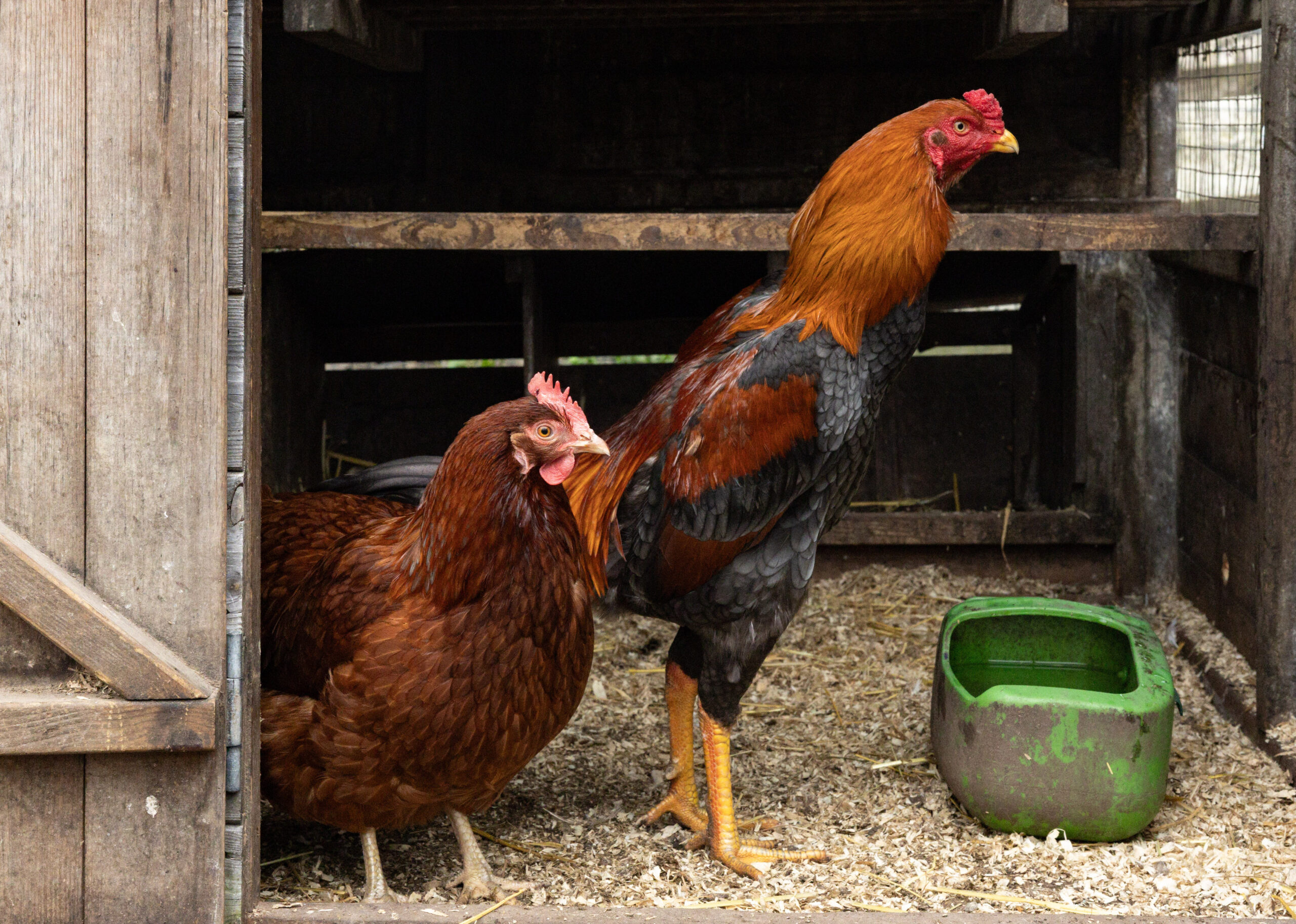
Buff Orpington
The Orpington chicken was originally bred by William Cook, and named after the town in Kent where he had his farm. Orpington chickens can come in many different colours, such as black, white, blue, lavender and chocolate, but by far the most popular colour is buff. Buff Orpingtons are so popular that they actually have a separate breed society!
Orpingtons are a friendly, placid breed that are very good at being handled, making them ideal for first-time chicken owners and children. They are generally hardy, healthy birds but need plenty of shelter due to their thick plumage as they can easily become waterlogged or overheat.
Our Buff Orpington is named Goldie, which is a name her previous owner gave to her and that we liked so much we decided to keep it. She’s still only young, so she’s not quite at her full-grown weight and plumage. We can’t wait to see what a beautiful chicken she grows into.
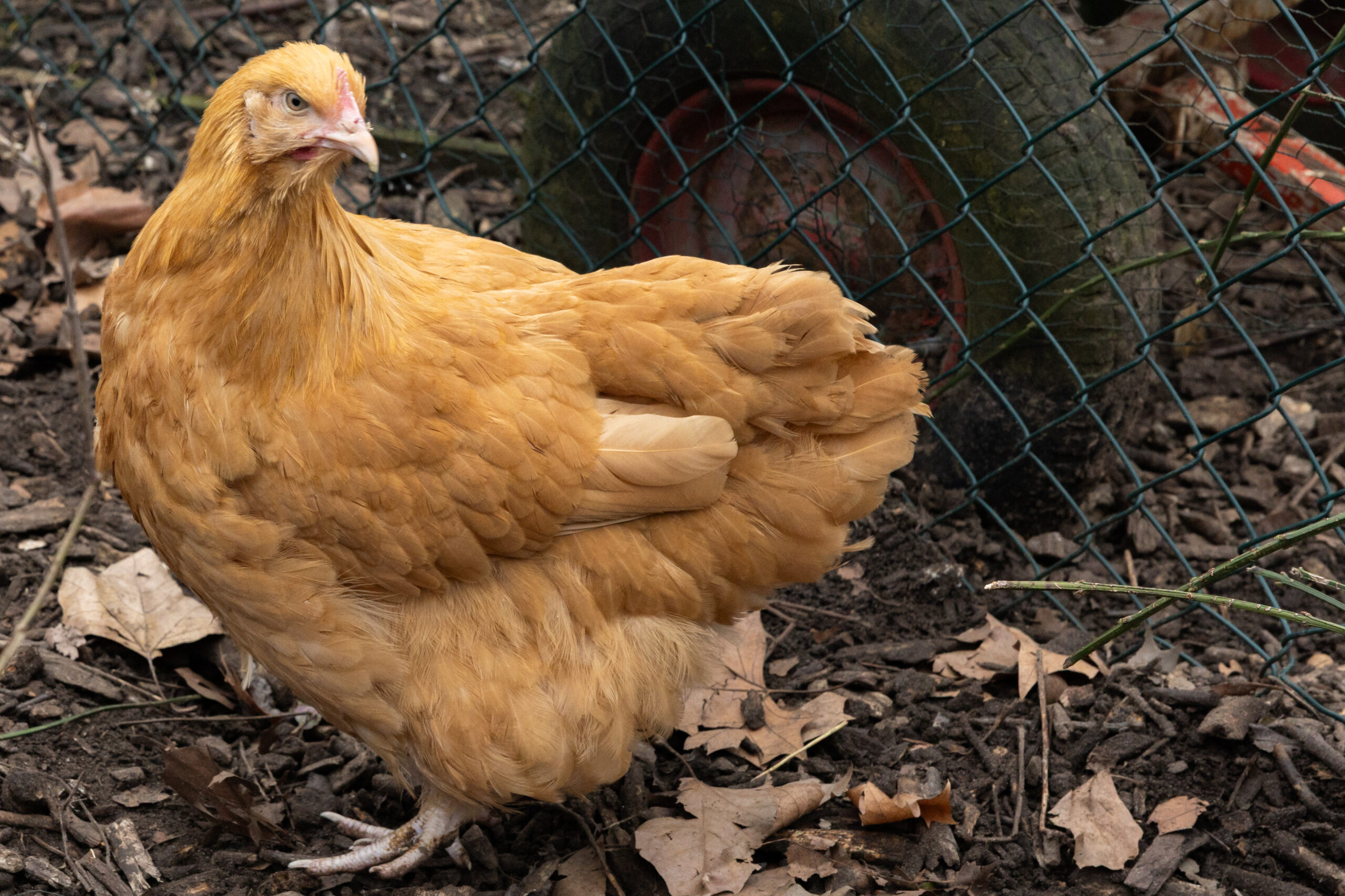
Plymouth rock
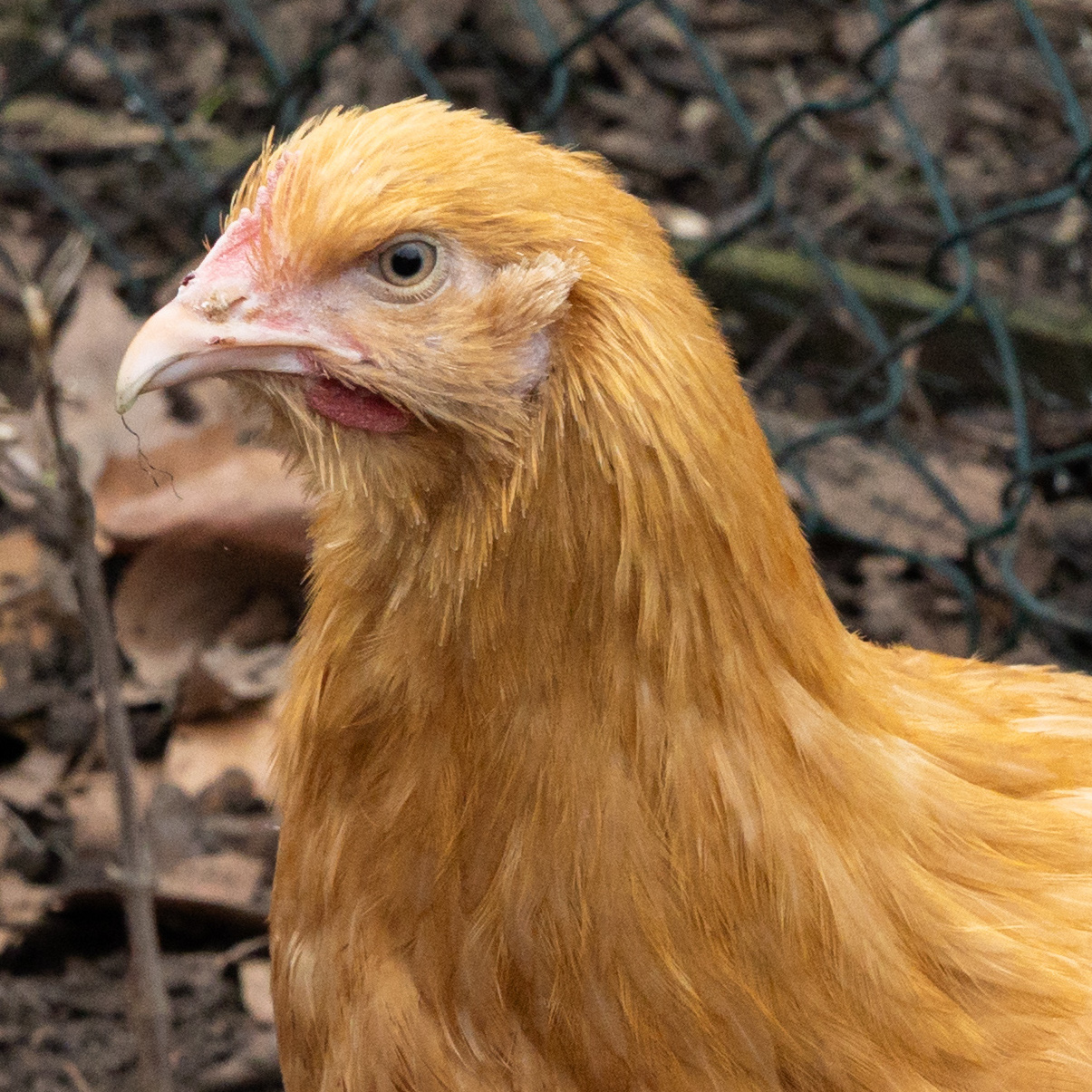
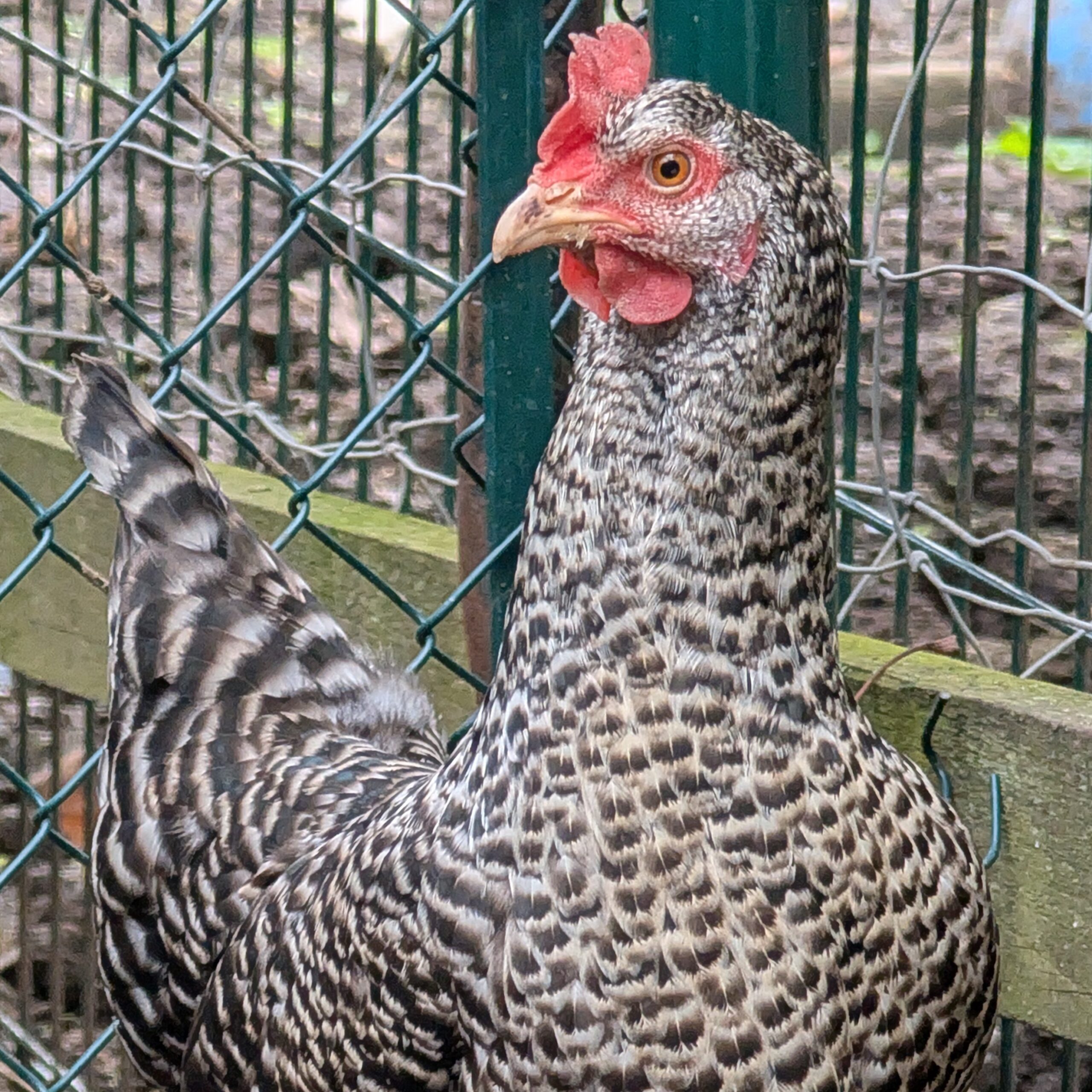
The Plymouth Rock chicken comes from America and was originally bred in Massachusetts by a man called D. A. Upham, or at least, he was the first to show the breed. At one point these were the most commonly kept chicken breed in America, but with the popularity of battery farming rising, they fell out of favour. The Plymouth Rock chicken comes in several colours, barred, black, buff, Columbian and white. But the barred variety is by far the most common, which is what our new girl is.
Plymouth Rocks are a dual purpose breed, kept for both their meat and their eggs. They are good layers and can lay up to 200 eggs a year. They’re generally quiet, easy to handle and friendly with their flock mates but do appreciate the chance to run free and be independent. They are not good fliers so do not require high fencing.
Our Plymouth Rock came from the same place as Goldie, but unlike Goldie, is already fully grown and laying eggs. She has been named Sapphire, and is easily the cleverest chicken in the coop, always getting to the food first and leading our cockerel, Max, on a merry chase around the enclosure.
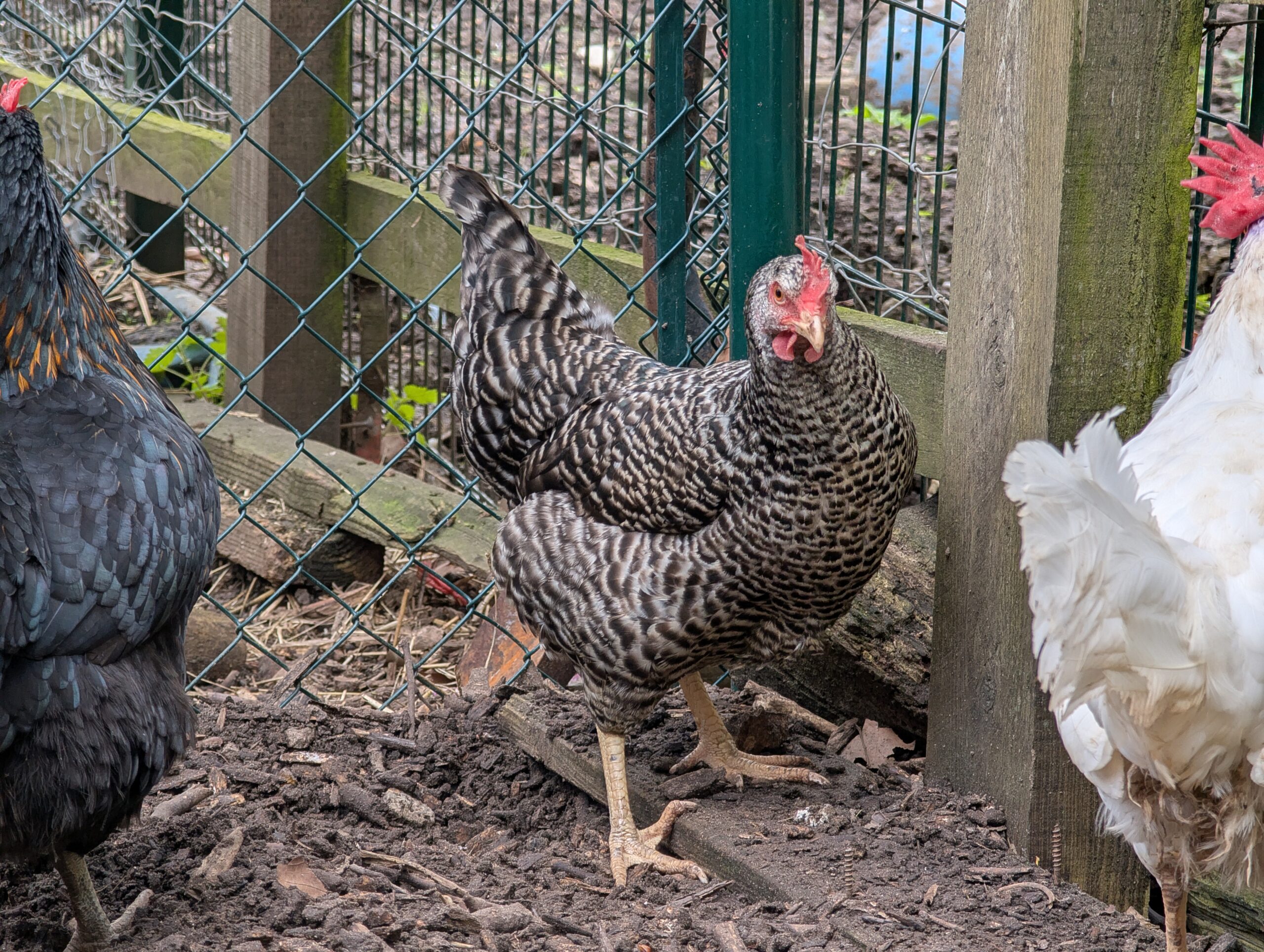
Copper-black Marans
The Marans was one of the last breeds to be introduced to the UK. It was developed in France in the town of Marans in the mid-1800s. In the United Kingdom five colours are recognised: black, dark cuckoo, golden cuckoo and silver cuckoo, with unfeathered shanks; and copper-black, with feathered shanks.
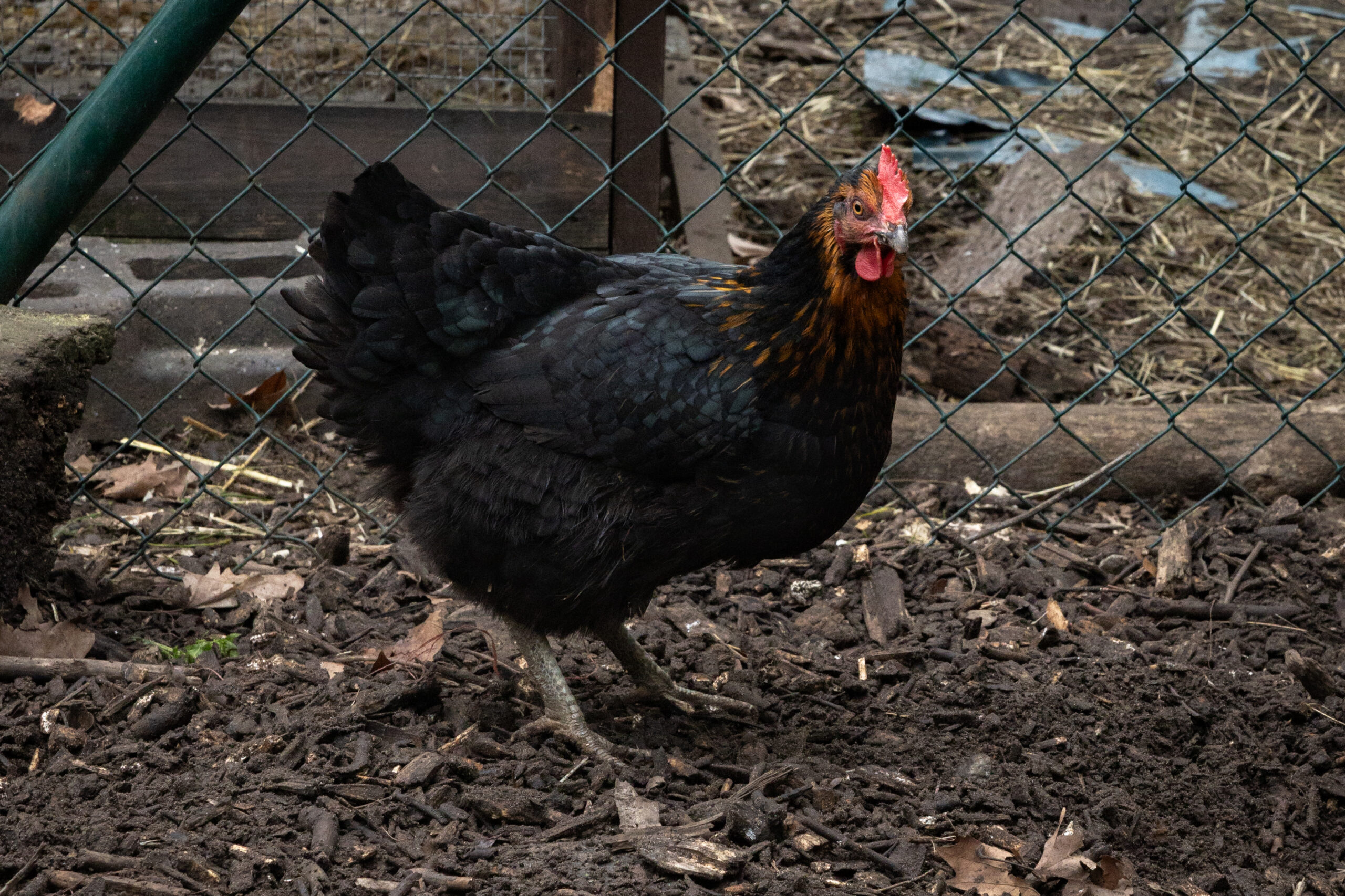
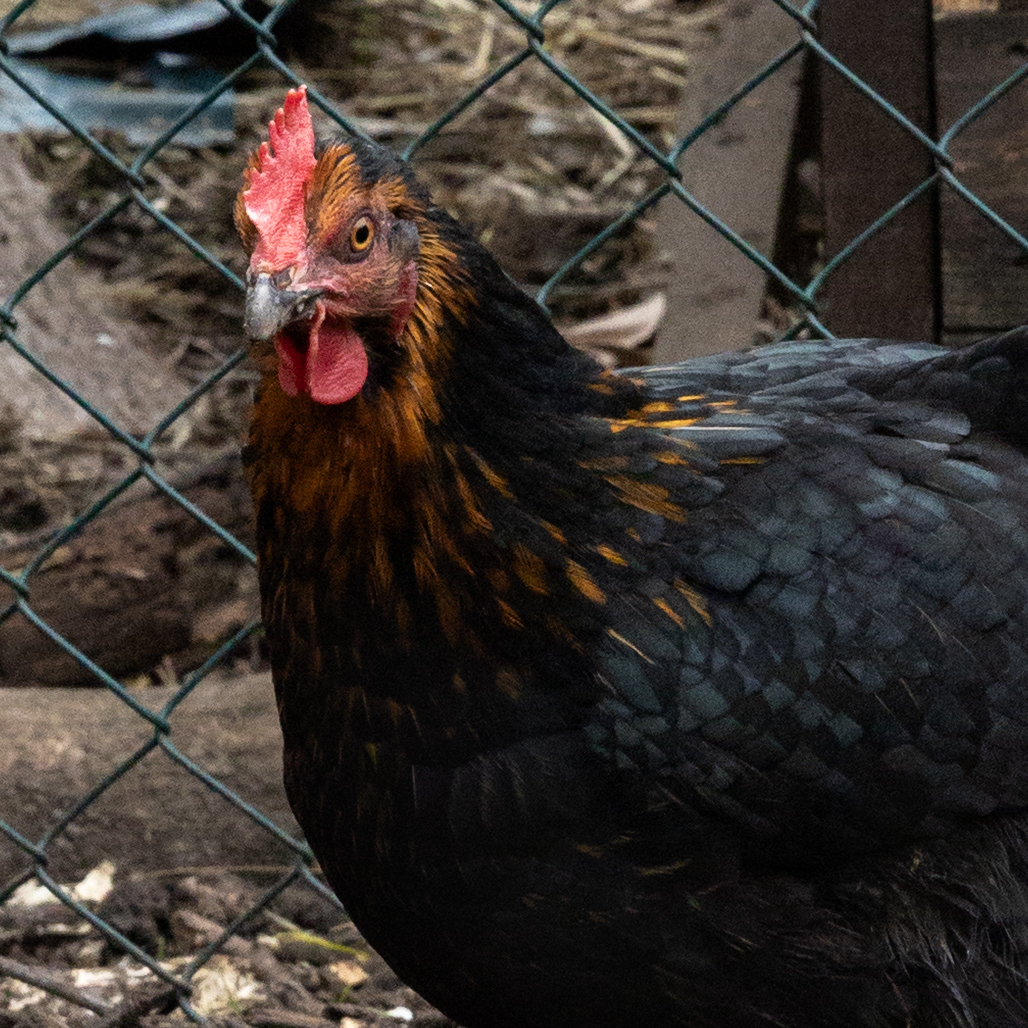
We might be a little biased, but copper-black is the most beautiful colour of Marans, as they have black feathers with an iridescent green sheen and copper flecks. The eyes are red or orange, the comb, face, earlobes and wattles are red. They certainly stand out!
Marans are a dual-purpose breed, like the others here, but they aren’t very good layers, giving on average 3 eggs a week. However, the eggs themselves are a beautiful rich chocolate brown colour. Marans are also easy to handle, and they socialise well with humans and other chickens, as well as doing well in warm and cold climates.
Our Copper-black Marans is called Amber, referring to her beautiful copper-coloured feathers. She loves to forage in the dirt and takes frequent dust baths to keep her feathers in perfect condition.
Leghorn
The Leghorn, which in Italian is called Livorno or Livornese, is an Italian breed of chicken originating in Tuscany, in central Italy. The birds were exported to North America in about 1828 from the port city of Livorno on the Tuscan coast. They were initially called “Italians”, but by 1865 the breed was known as “Leghorn”, the traditional English name of the city. The breed was introduced to Britain from the United States in 1870. White Leghorns are commonly used as layer chickens in many countries of the world.
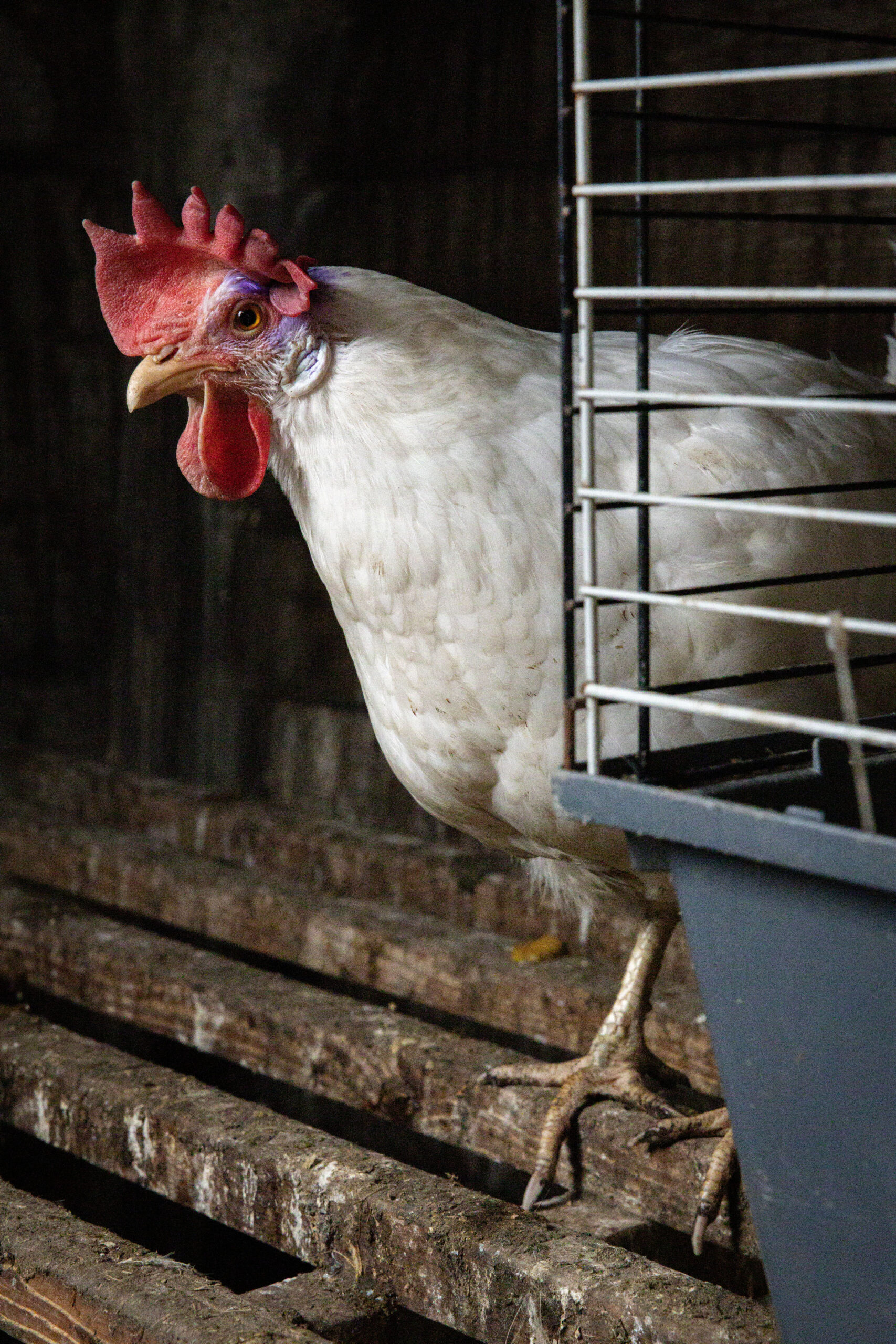
In Britain, the Leghorn Club recognises eighteen colours: golden duckwing, silver duckwing, partridge, brown, buff, exchequer, Columbian, pyle, white, black, blue, mottled, cuckoo, blue-red, lavender, red, crele and buff Columbian. The White Leghorn is the most recognisable variety listed here.
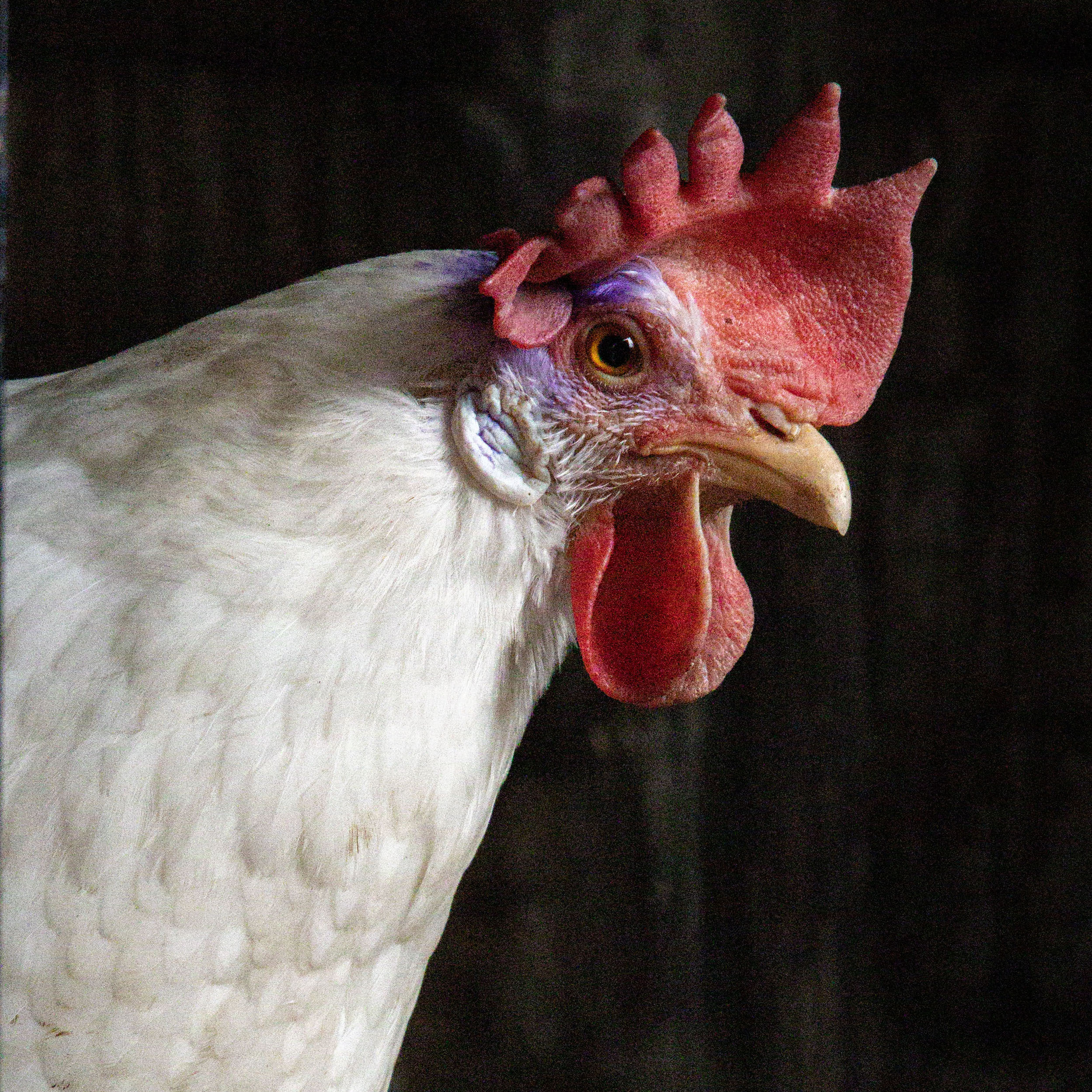
These birds are active, alert, and resourceful foragers, always on the move in search of tasty snacks. Their independent nature means they do well in free-range setups, as they thrive when they have space to explore. While they aren’t as cuddly as some other breeds, Leghorns are curious and intelligent, making them a joy to watch as they go about their daily activities.
Our White Leghorn is called Pearl, referring to her lovely colour. She came from the same home as Amber, and so they are often found together exploring the enclosure and digging for food.
Unfortunately, visitors can’t get up close and personal with the poultry at the moment because there is a very high risk of bird flu in London, and we need to do all we can to protect our birds from getting ill. We hope that the bird flu restrictions lift soon, as we know that visitors will be keen to meet the new arrivals! Watch this space.