
Susy, our Communities Programme Manager, went on a walk with community group Kin Structures from Tower Hamlets Cemetery Park to the Farm, and gave them a tour around the site. Find out who Kin Structures are, and read about the fascinating memories and reflections sparked by the tour in Susy’s blog this month…
“At the end of August, I delivered a farm tour and plant identification workshop for Kin Structures, stewards of community centre the Soanes Centre, located in Tower Hamlets Cemetery Park. Through charity Setpoint London East, this community space provides learning opportunities for local children and young people in ecology and natural science. Kin Structures support the space in all sorts of ways, including running a recent campaign to Save the Soanes Centre.
“I was impressed with the model of having a group of people working behind the scenes to support a community centre. It reminded me a bit of the complex, interdependent relationships in forest ecology. For example how the mycorrhizal mushroom networks keep trees (and the communities that live inside them) alive.
“The walk we did with the group from Kin Structures and the Soanes Centre was a bit of an unusual format. We started at the Soanes Centre and then walked down to the Farm, noticing the different ecologies in the Cemetery Park, the roads and then the Farm. We talked about lots of different plants, exploring their histories and their relationships to humans. The conversation meandered around medicine, food, colonial botany and the queerness of Ash trees!
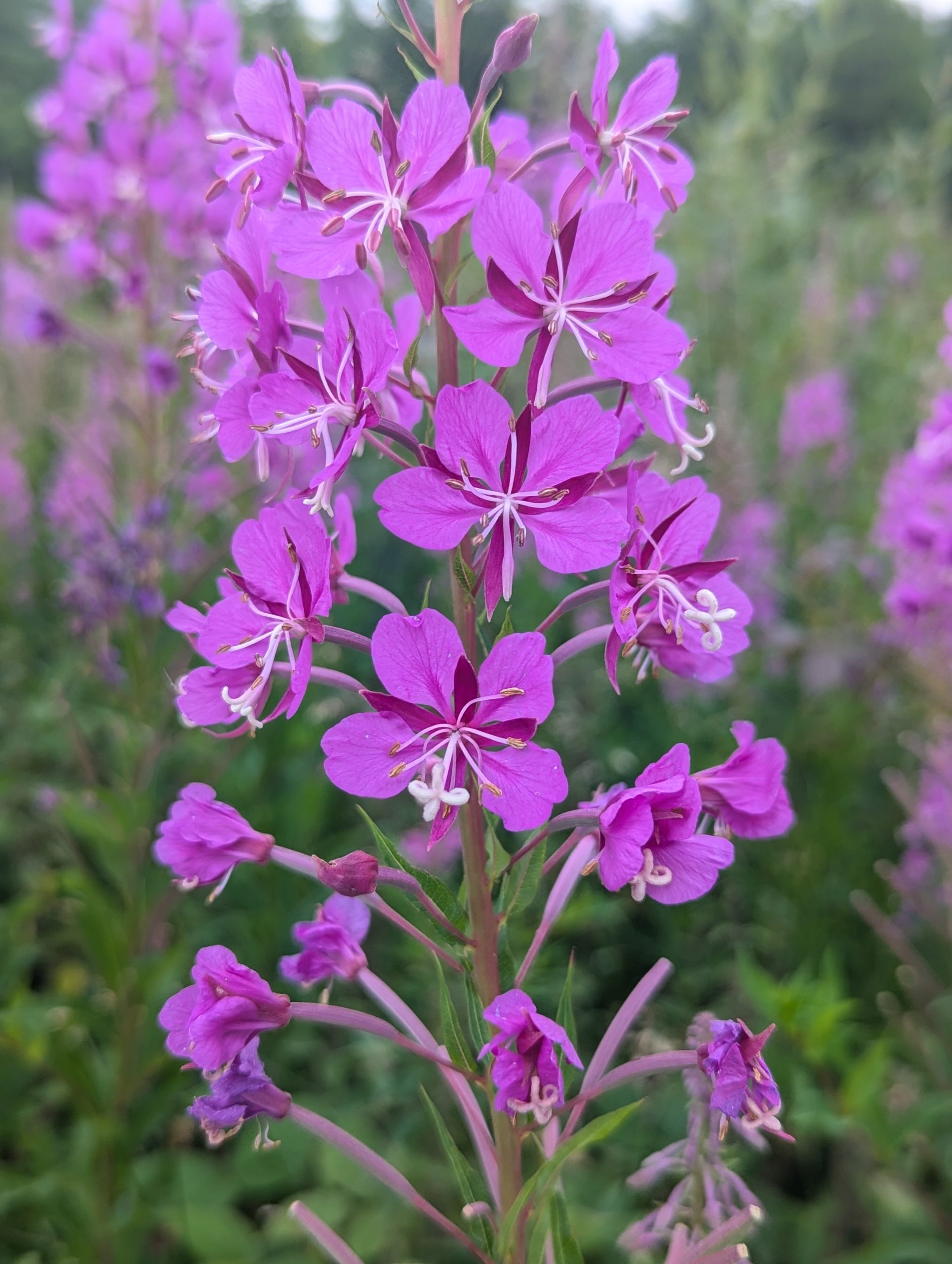

“Starting at the Soanes Centre, Arman, from Kin Structures shared an amazing story that local residents had shared. Apparently, after the war lots of rosebay willowherb had grown all around the area in the bomb sites – it’s well known for enjoying growing in disturbed ground. Residents seeing it in the Soanes Centre garden said it reminded them of playing in post-war Britain. This story made me wonder if perhaps the Farm had been full of this beautiful plant before it became a Farm, as it was also a bombsite after the war.
“We then had an interesting conversation about the history of the plant Buddleia. It was originally a Chinese plant, called Mi Meng Hua, that has a long history of being used in Traditional Chinese Medicine. Despite this long history, in English it is named after a British botanist called Revered Adam ‘Buddle’, who is often described as having “discovered” it in 1890. We spoke about how this Western-centric naming has caused harm across the globe, particularly with the colonial history of plant botany. We spoke about a great new book called The Botany of Empire by Banu Subramanium that discusses these issues.
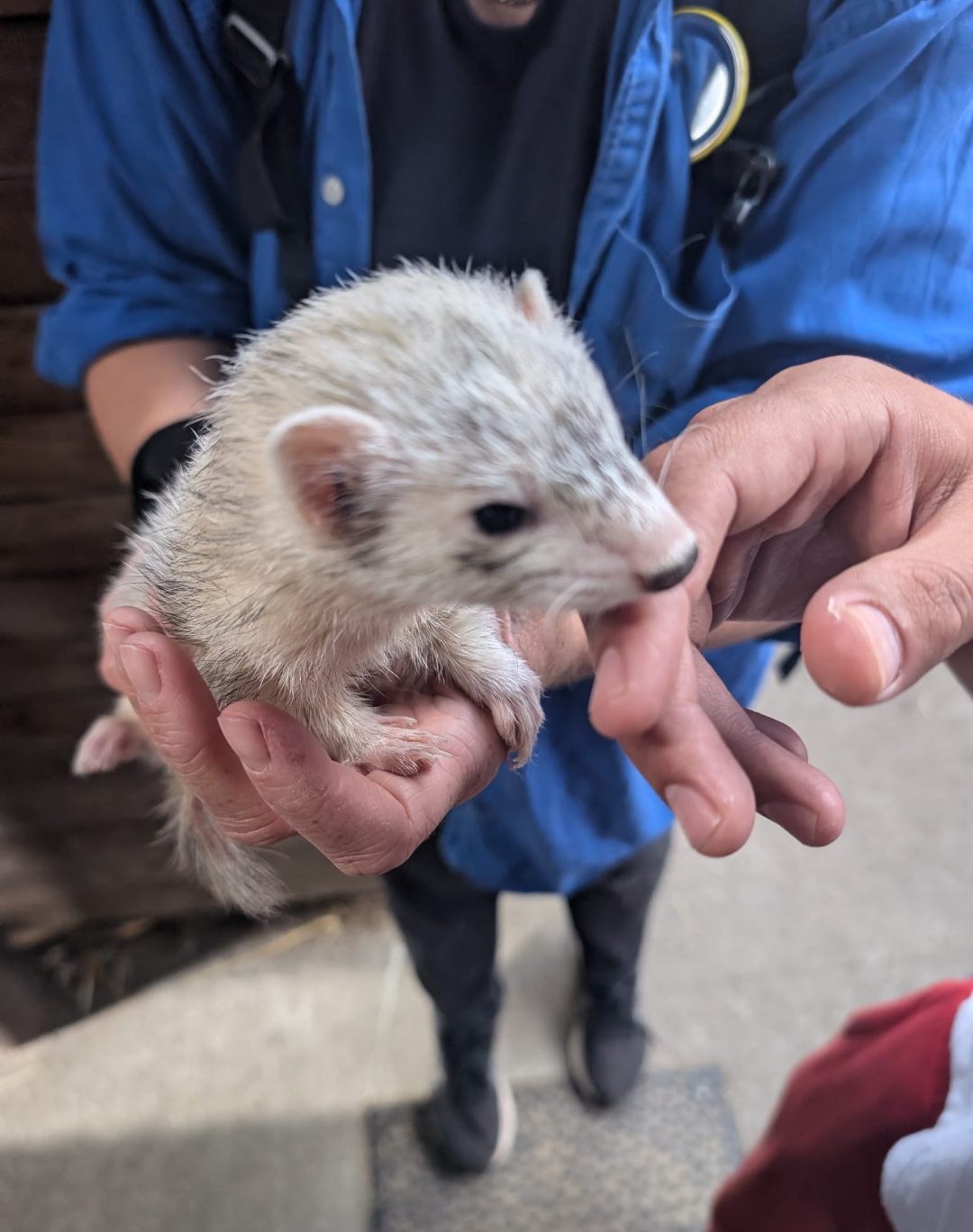
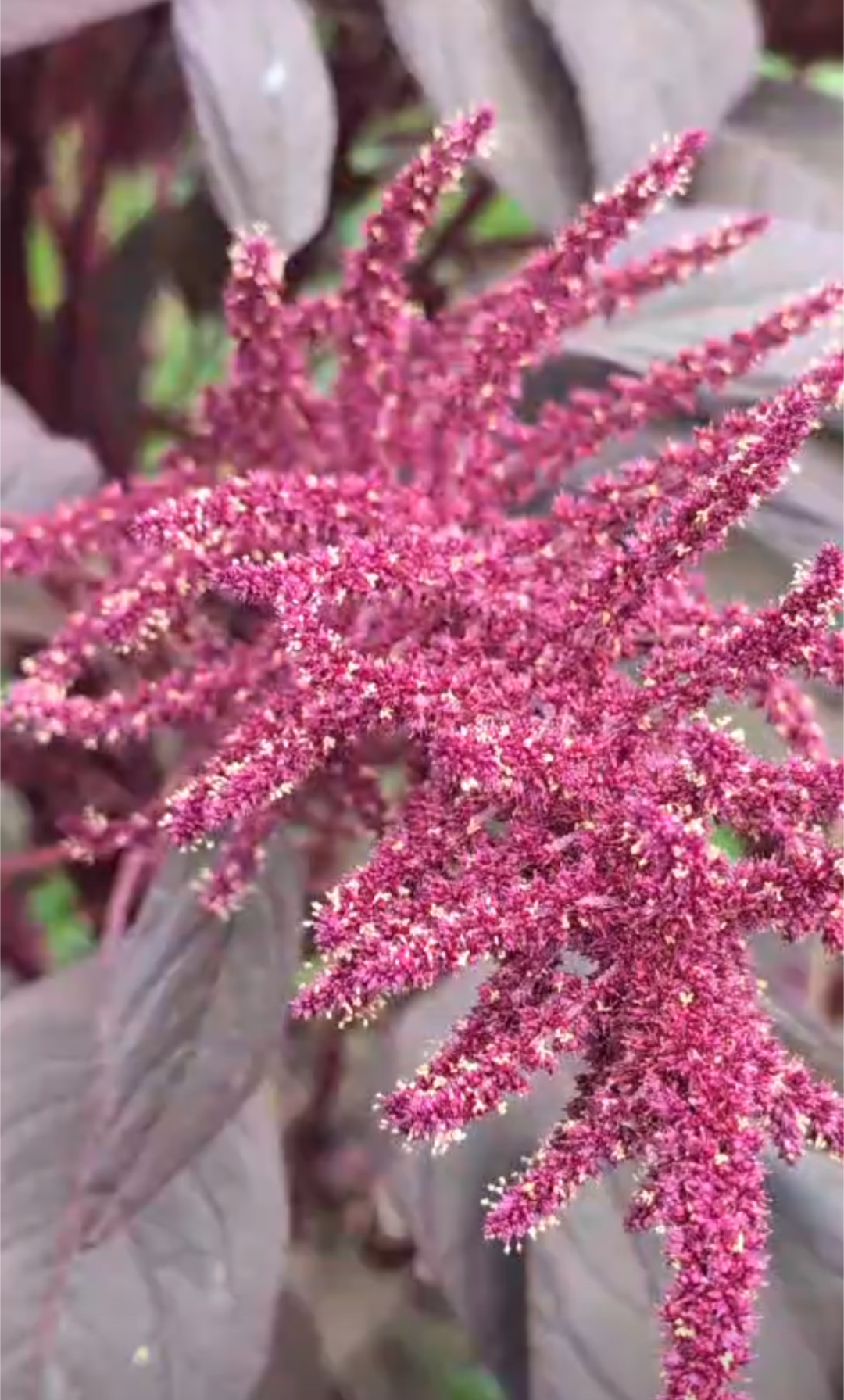
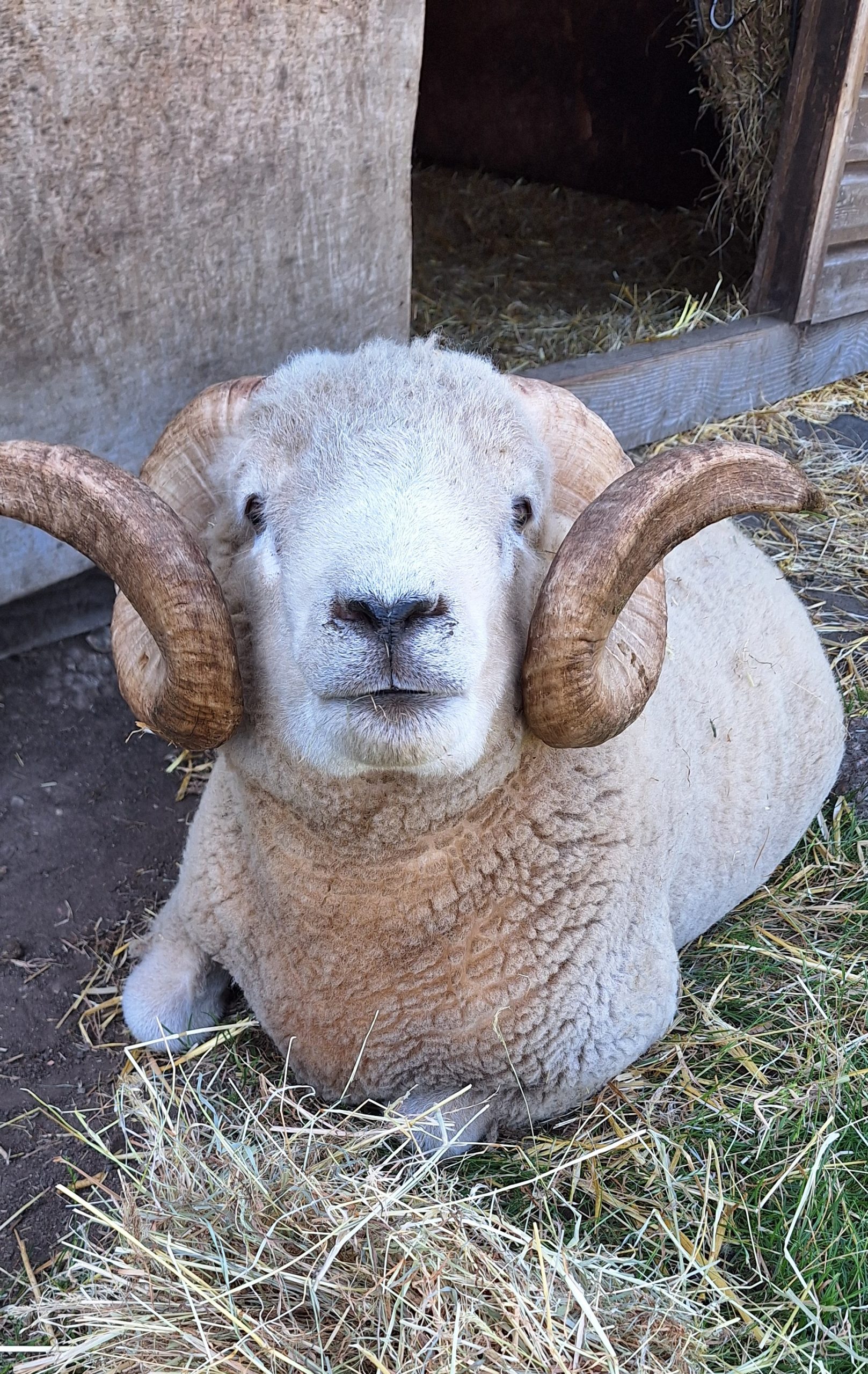
“We talked through lots more plants – Mugwort! Wild carrot! Yarrow!, but then we got to the Farm and met Hugo the ram, Hatty the ferret and the comfrey plant. We discussed how you make fertiliser from comfrey leaves (and how stinky a process it is!) and then enjoyed laughing with Hatty and exchanging bleats with the always chatty Hugo. One of the last things we did was to admire the magnificent colour of the amaranth plant.
“All in all, it was a great morning, and I hope that the Soanes Centre continues to do its important work of educating local people about the world around us, with the mycorrhizal support of Kin Structures. Do take a look at their campaign here“.
Here’s a link to a video about the great work Kin Structures do.