
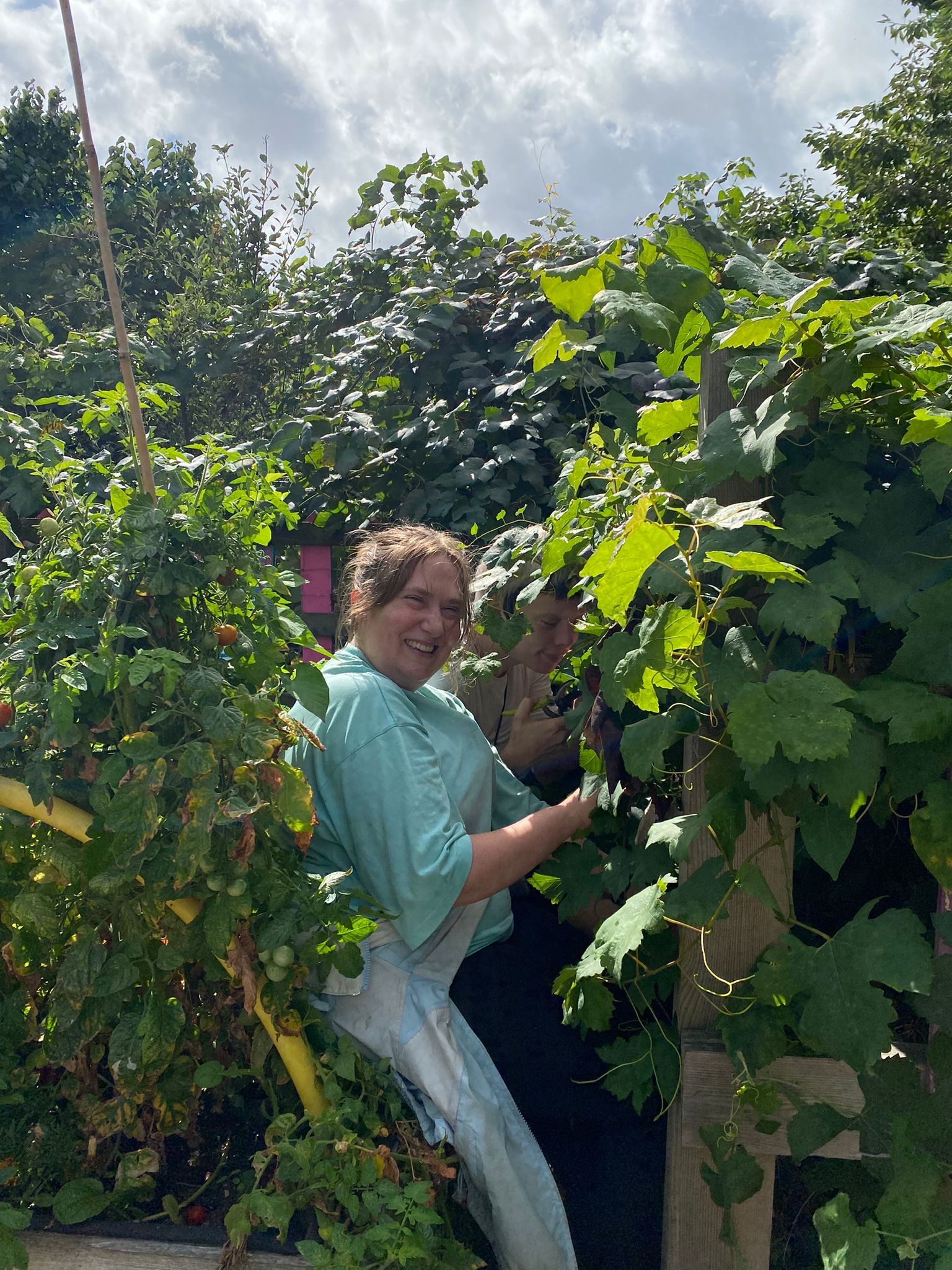
Danielle and her growing team have spent a hot few months working hard to bring fresh fruit, vegetables, herbs and flowers to market. As winter closes in it’s time for her to reflect on how this growing year has panned out.
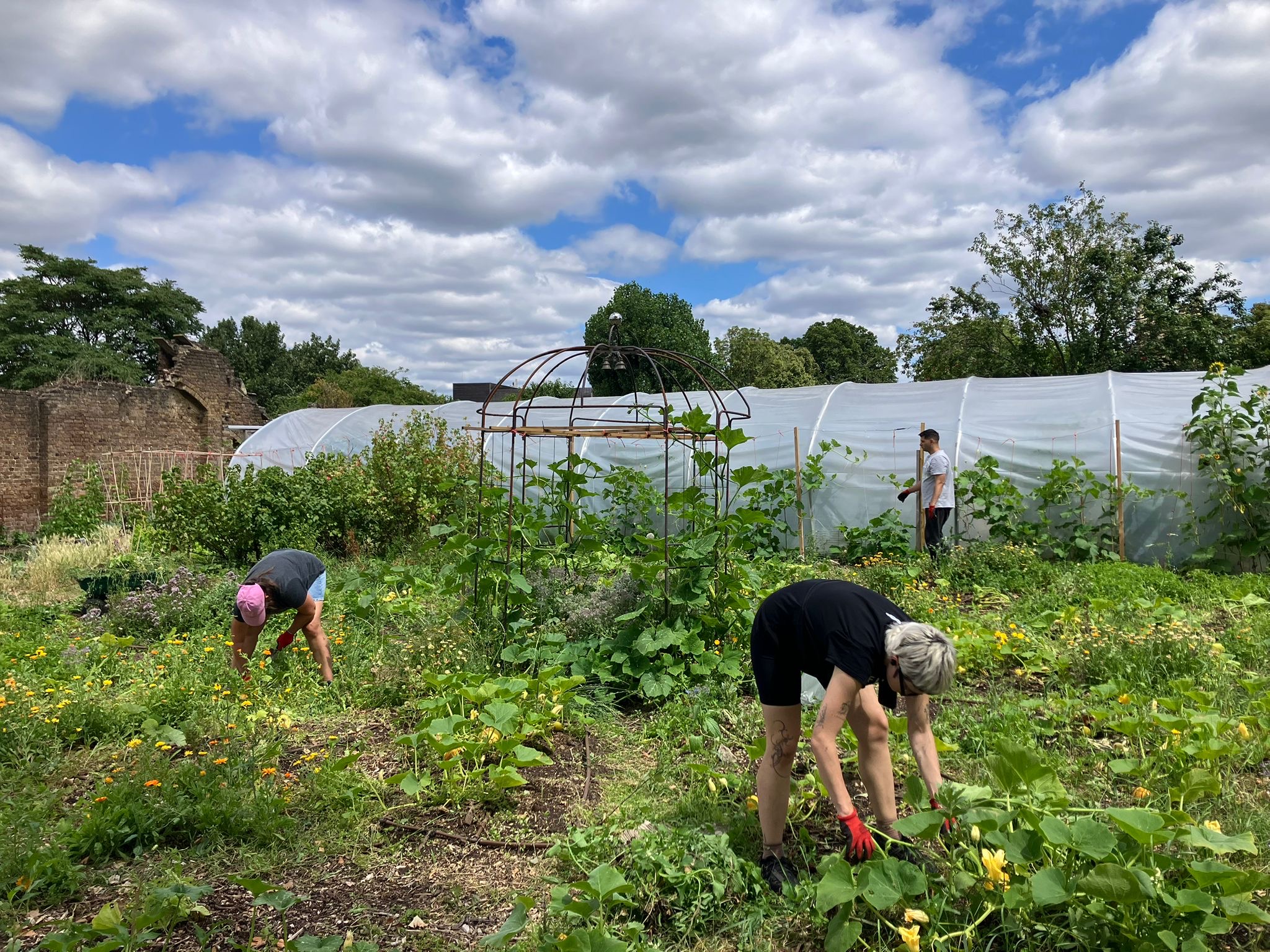
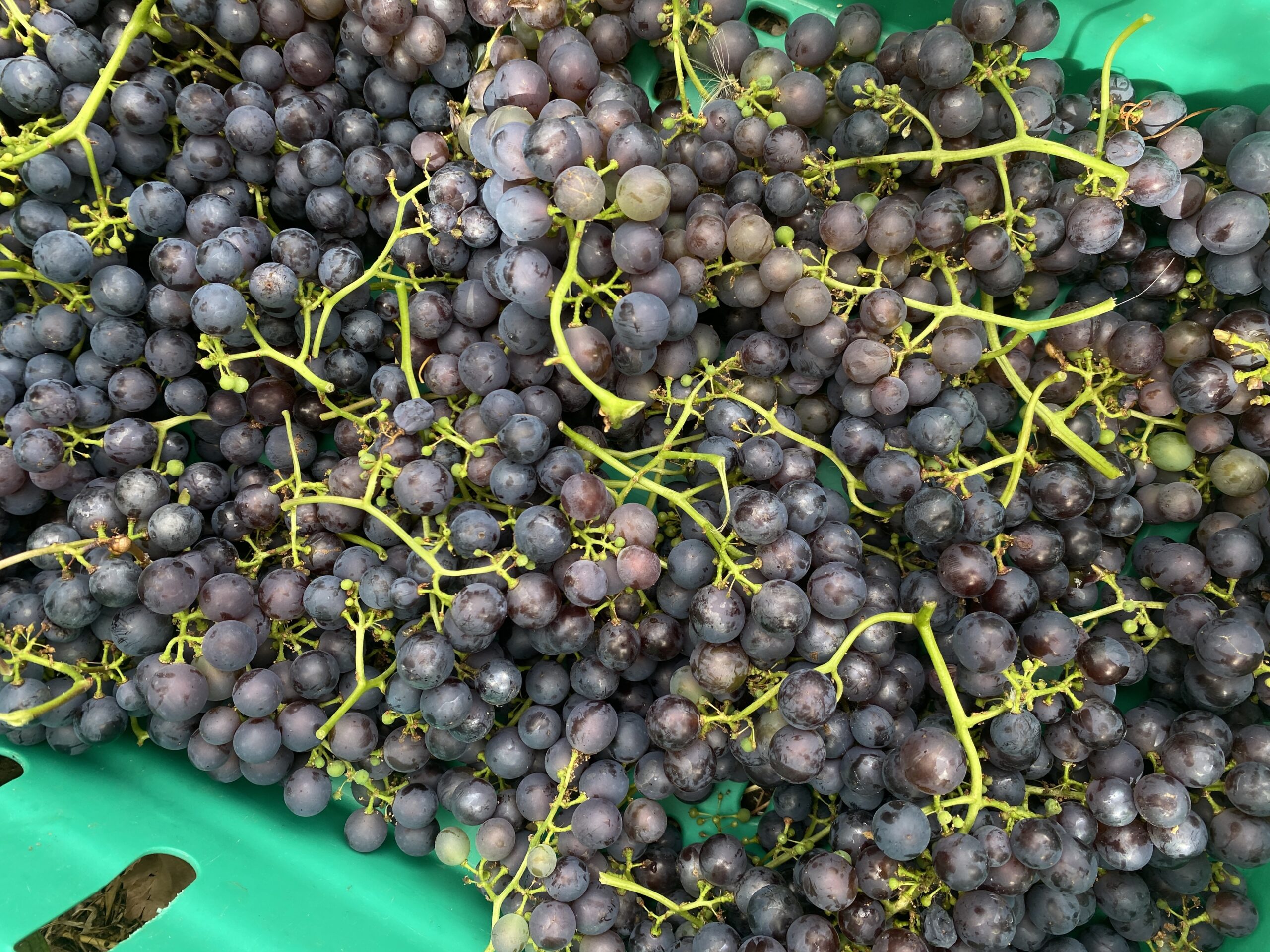
This year our fruit and vegetable production has been more than abundant. Our cherry and plum trees were laden with juicy, sweet fruits, tomato trellises popped with the weight of our cherry and beefsteak tomatoes, and we harvested close to 30kg of grapes from one vine! We can attribute our substantial harvests to two things: the first being 2025 is what is known as a mast year. Mast years happen every 10-15 years where certain trees and shrubs will overproduce fruits, nuts and seeds to increase the chances of seed germination and beat the competition from predators such as squirrels, mice and rats.
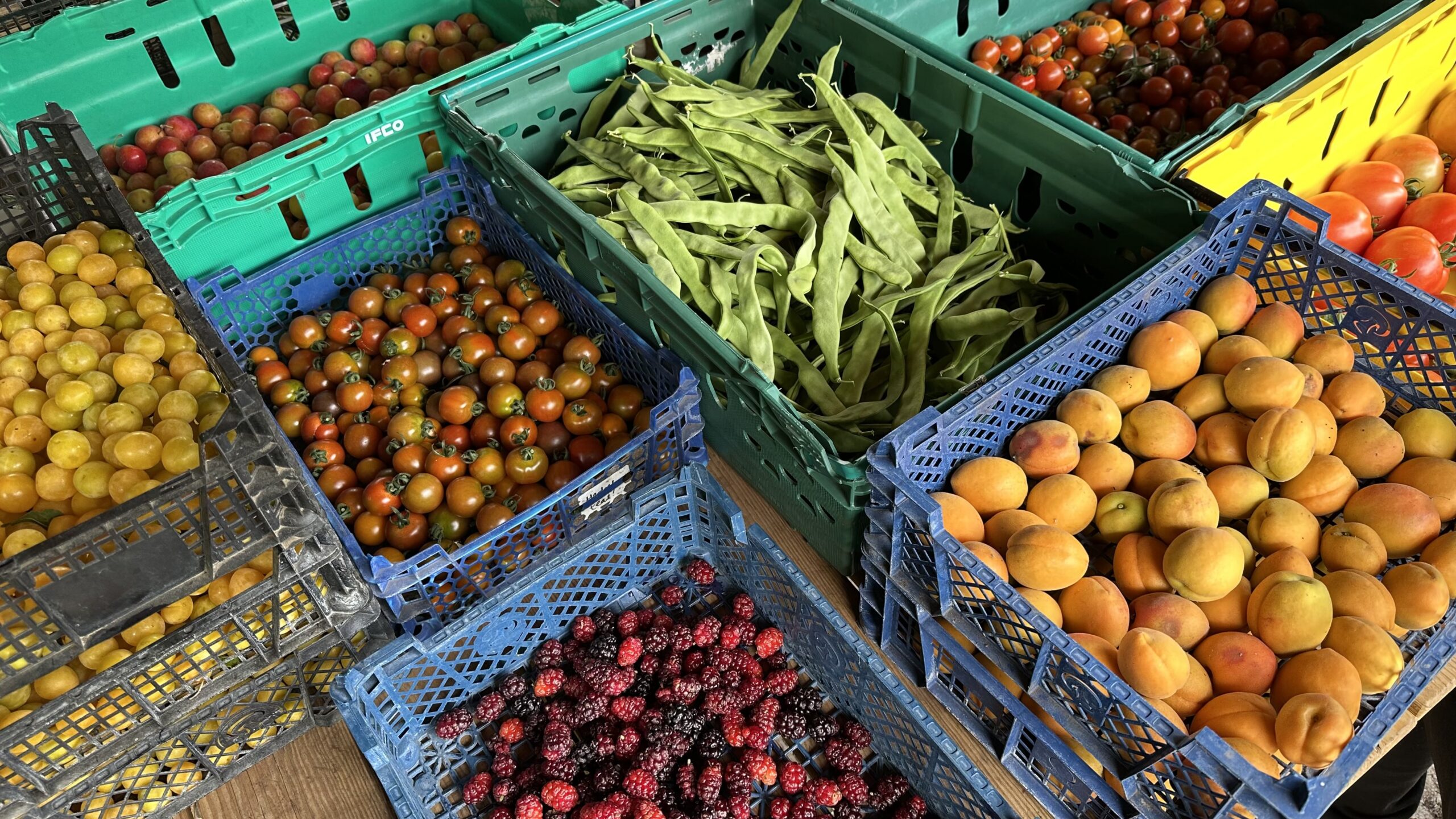
The second – the record heat and continually sunny conditions we experienced this summer. Our crops were ready to go into the ground three weeks before the average planting time. Summer harvests started in late June when we’d usually expect mid-July and tomatoes were ripening in less than a day. Which meant we were picking them three to four times a week!
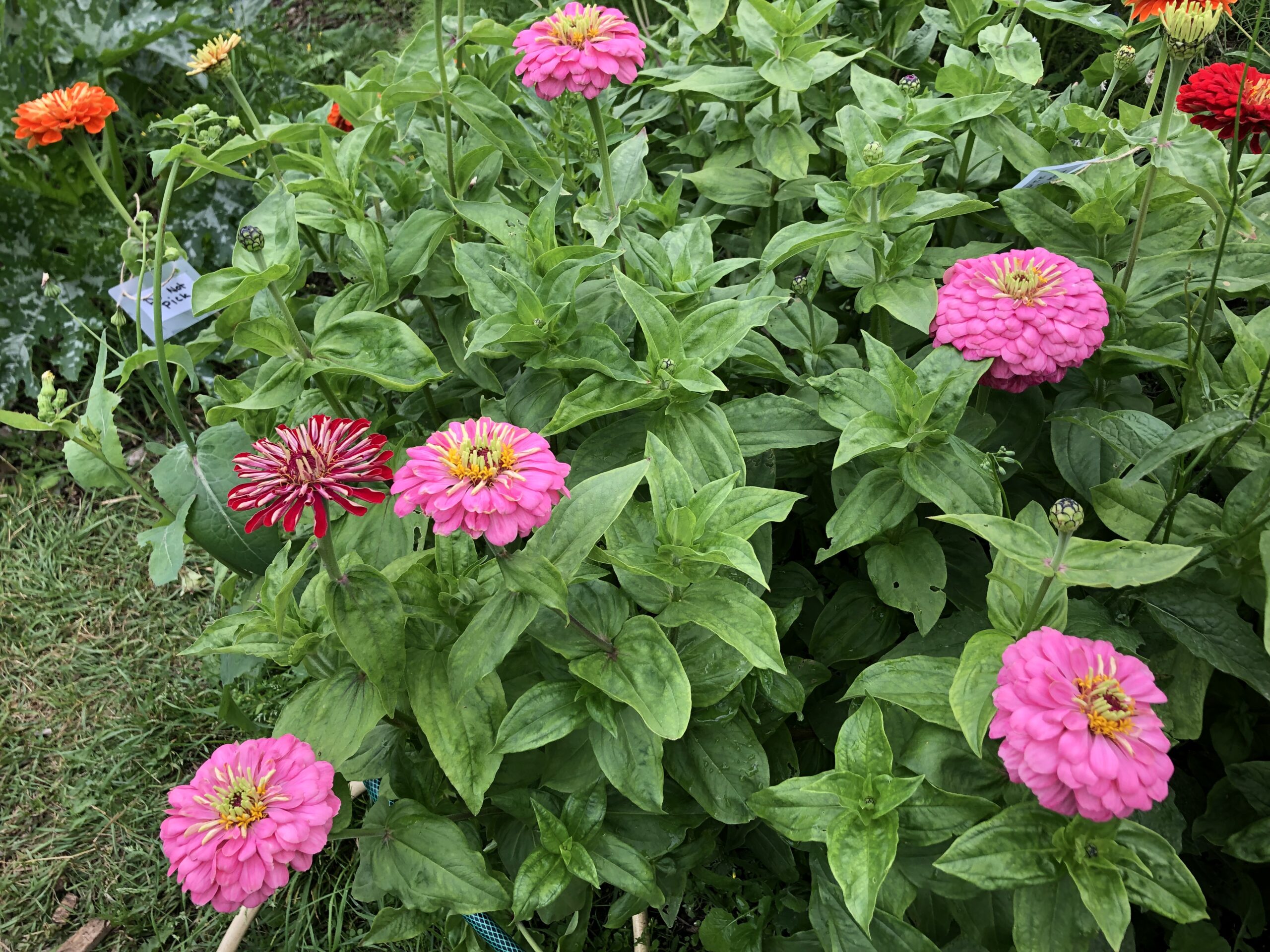
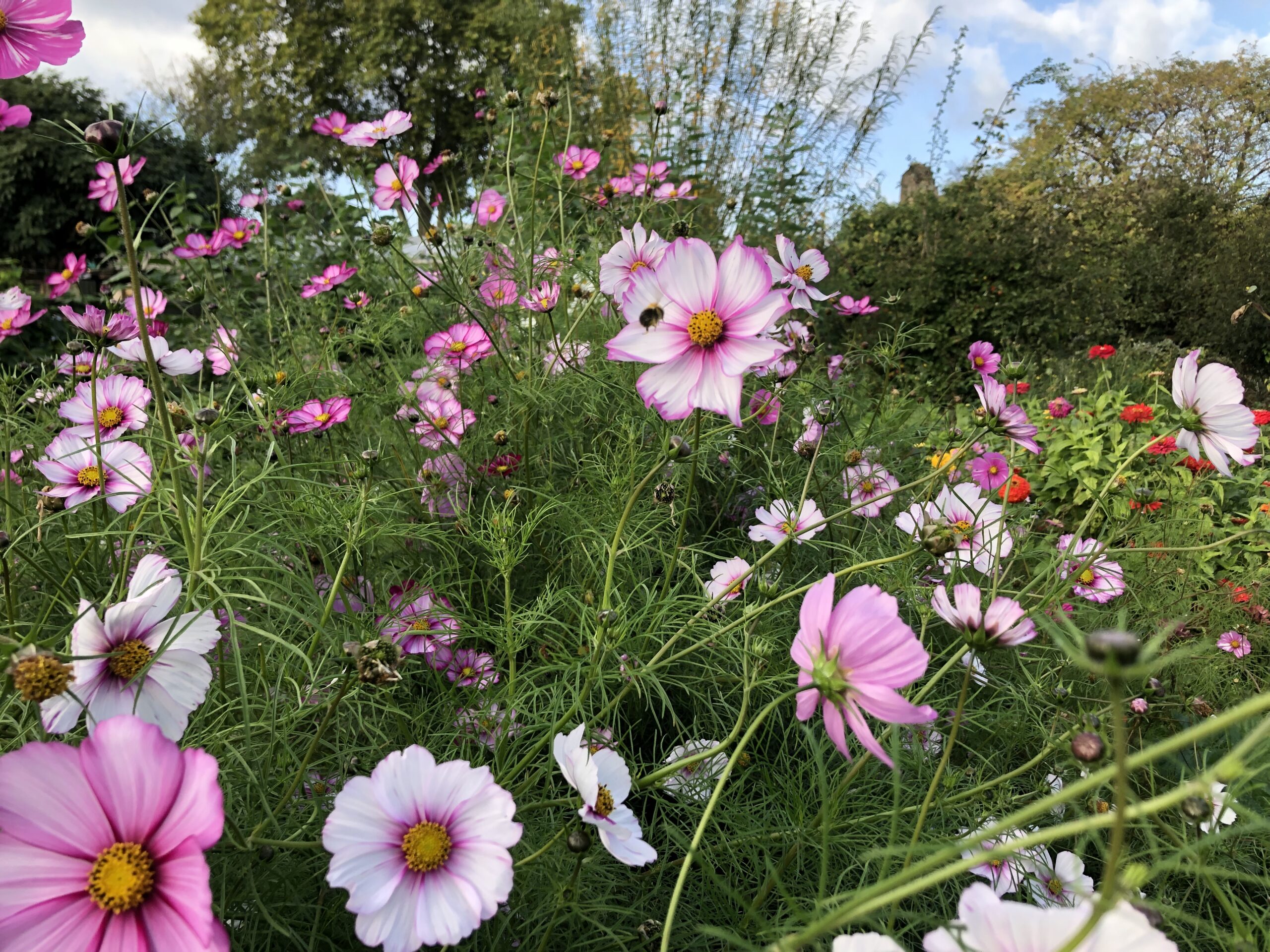
Also helped by the heat this year was our cut flower growing. If you come to our farmers markets, you may have noticed that this year we had more bouquets for sale than usual. Our bouquets are always made up of flowers and filler plants that were grown entirely on the farm. We have been trying to grow cut flowers on the farm since 2022 but for one reason or another we haven’t had the level of success we had this year. Our bouquets featured zinnias, dahlias, cosmos, scabiosa and sweet Williams. Following the success of this year we are going to scale up our production and grow some new varieties such as chrysanthemums next year. We hope to see you on the farm next summer enjoying their scents and display.
On the growing team, we work very closely with Stepney’s – the café at the farm who purchase produce from us every week and create beautiful seasonal dishes. Right now, you will find our Jerusalem artichokes featured on their menu in a warming celeriac, Jerusalem artichoke and potato soup. On the drinks menu you’ll find our ‘flu remedy’ tea which is harvested, dried and bagged up by our Greencare volunteers.
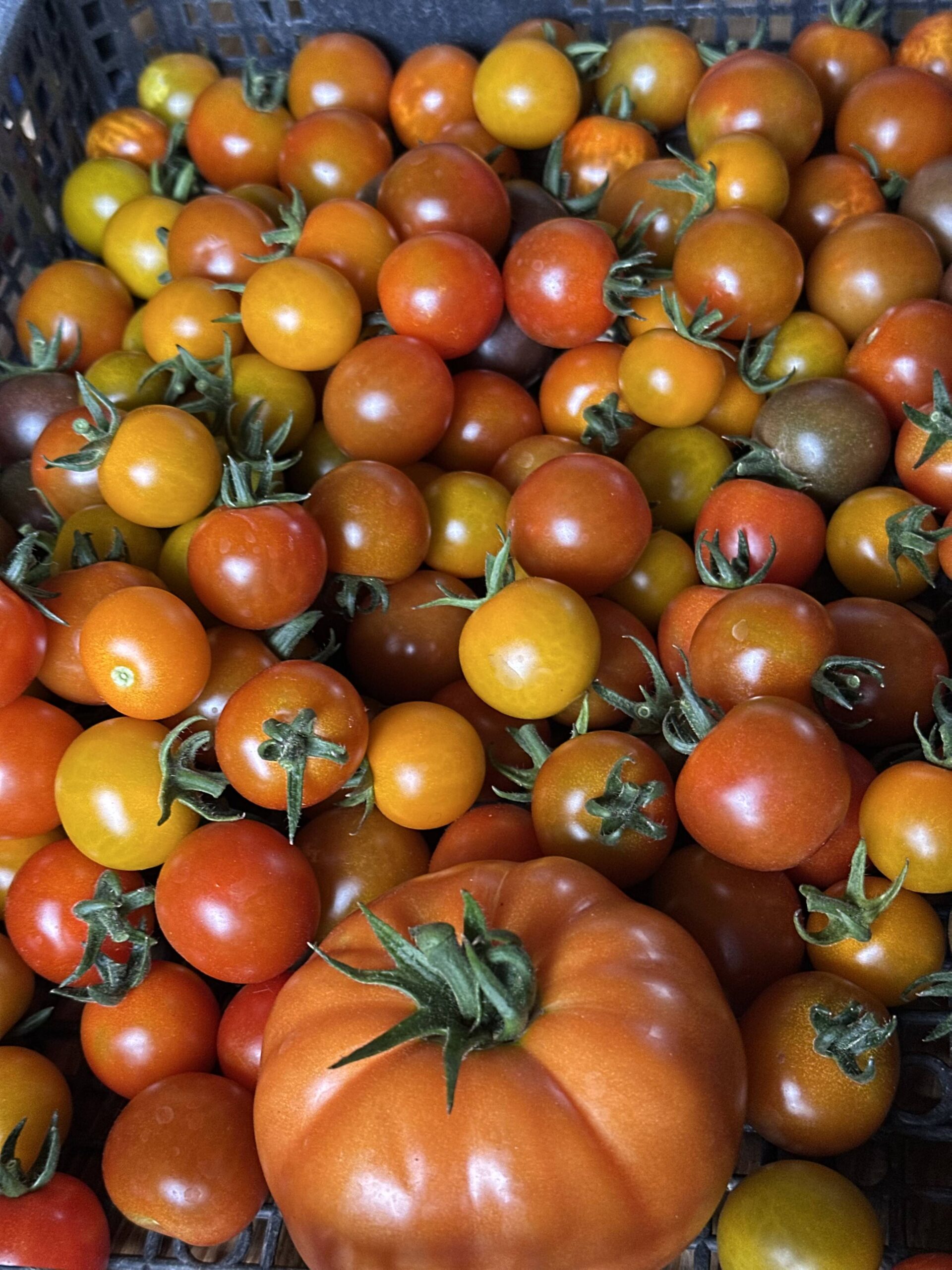
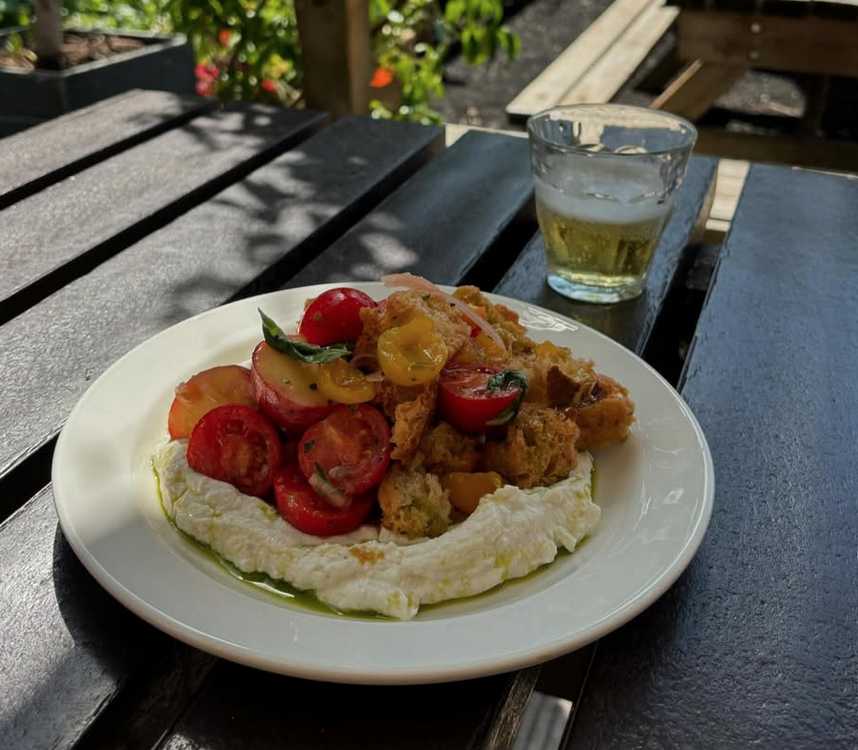
This summer our tomatoes made a feature in the cafes stone fruit panzanella, our plums in the well-loved plum soda and our cut flowers in bud vases on the tables. We are so grateful to work alongside such a fantastically talented team.
Every year I run a traineeship* where I take on eight students and teach a curriculum that aims to educate food growing novices on how to grow food sustainably in the city. The course covers a range of topics from seed sowing to pest and disease management to proper bed flipping techniques and soil care. Horticulture is an ever-changing industry with new scientific, anthropological and environmental research that influence our practices.
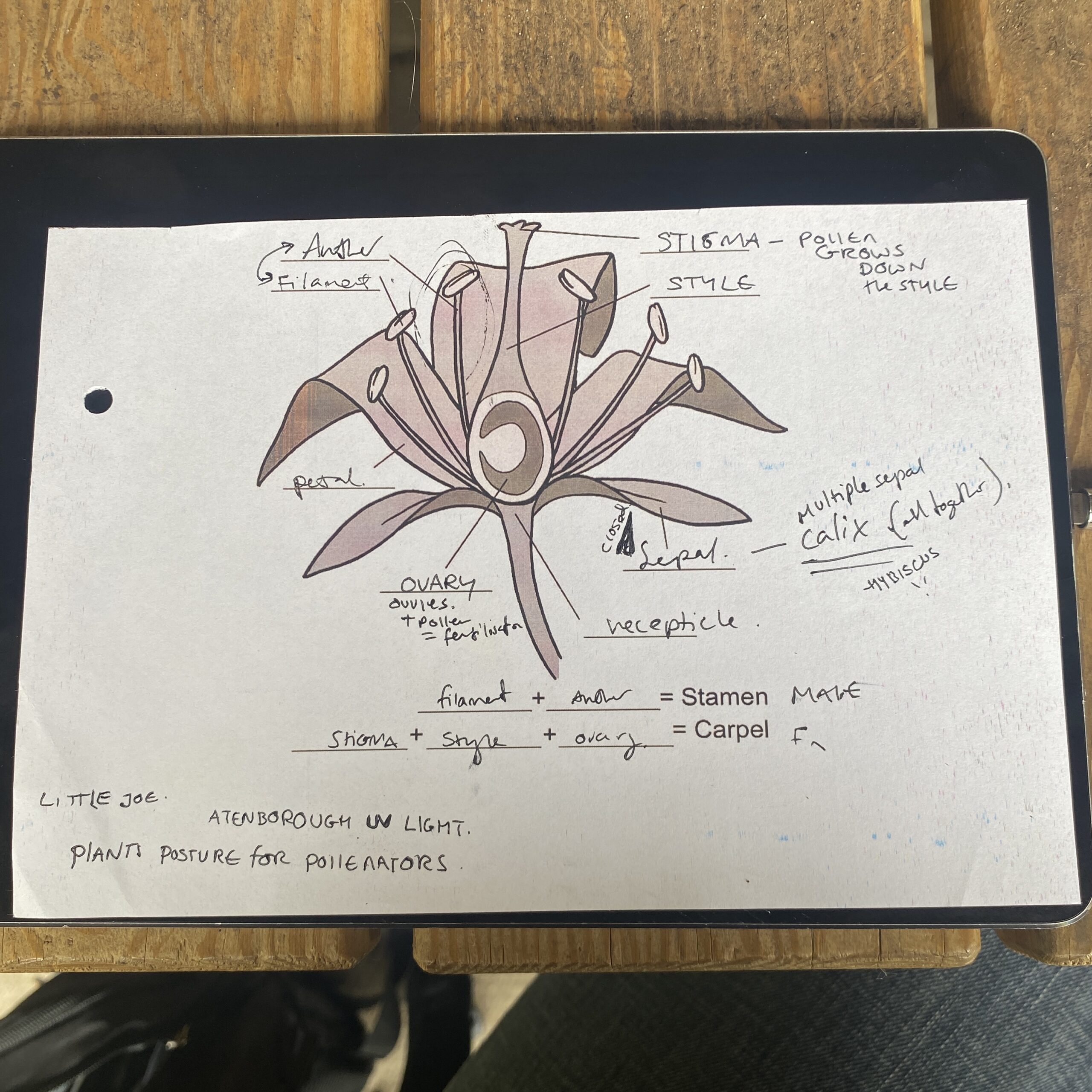
Therefore, before each session, we hold space for chats on the current topics in horticulture and to provide students with the chance to share anything they’ve watched, listened to or read in horticulture with the rest of the class.
2025 has had its challenges especially with the very little rain fall we had throughout the main growing season. We lost most of our broad bean crop due to an infestation of black fly early in the season and lost many a seedling to scorching temperatures in our nursery tunnel. But, overall, it has been a fantastic year for production. Roll on 2026!
*The traineeship runs from April to October on Wednesdays. The applications for the traineeship in 2026 will open in February with interviews in March and a start date at the end of April.
Applicants must be 18+ and not undertaken a food growing course before.