

Supported by the National Lottery Community Fund, Power to Change makes grants to community businesses to create better places across England. Across 2017-2021, Stepney City Farm was awarded almost £82,000 from the fund, giving us the start-up capacity to develop our food growing and gardening activities as a sustainable social enterprise. Now food growing has become a main activity on the Farm, alongside animal husbandry.
We had three ambitions for the grant: to increase our activities and impact for those needing support in the community, including those who are disabled or financially disadvantaged; to teach local communities about sustainable food systems and encourage healthy and environmentally friendly living practices; and to improve our local environment through food growing and biodiversity.
Today, we’re taking a look back at what we’ve achieved throughout the four-year grant period.
New facilities
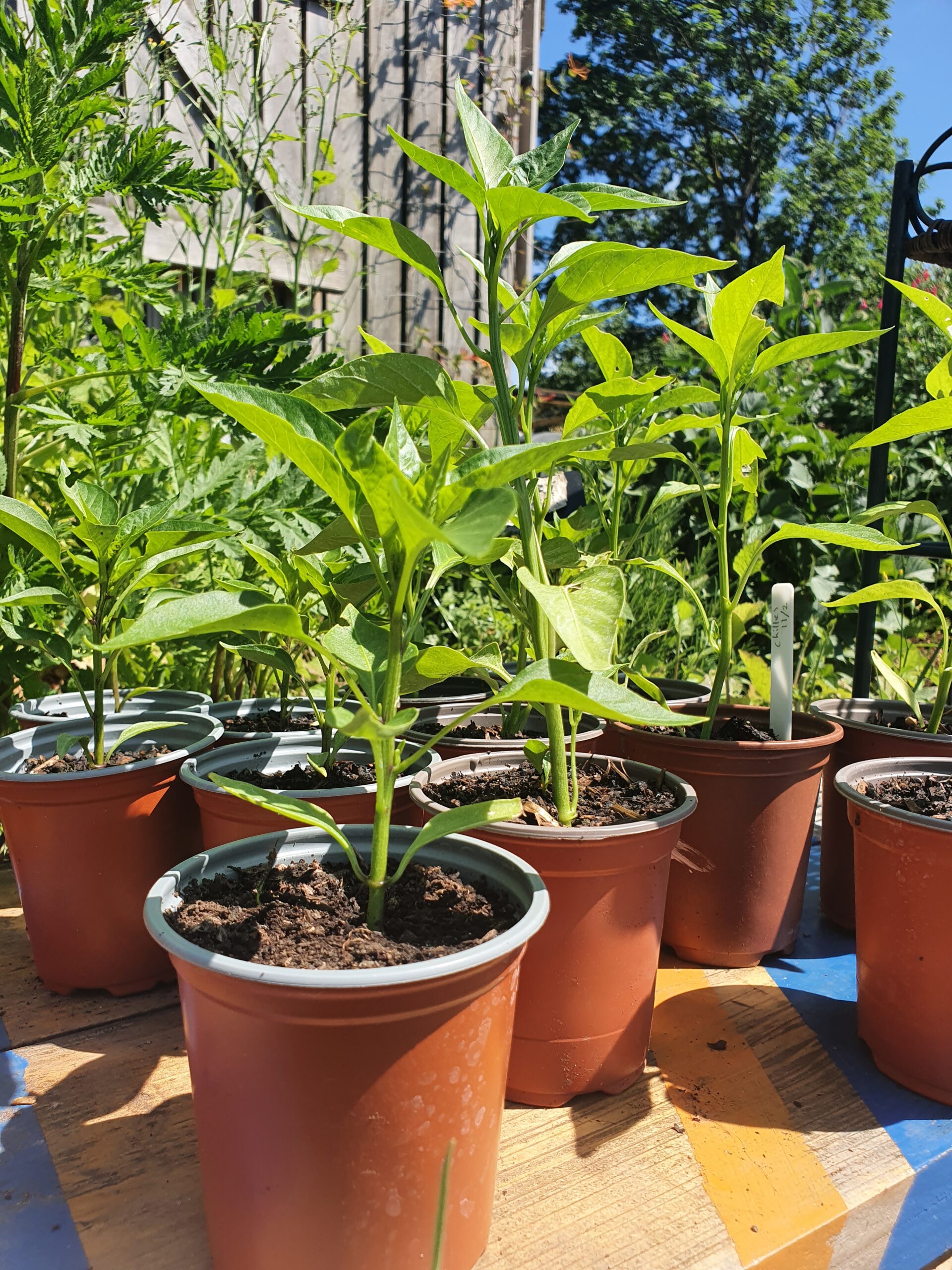
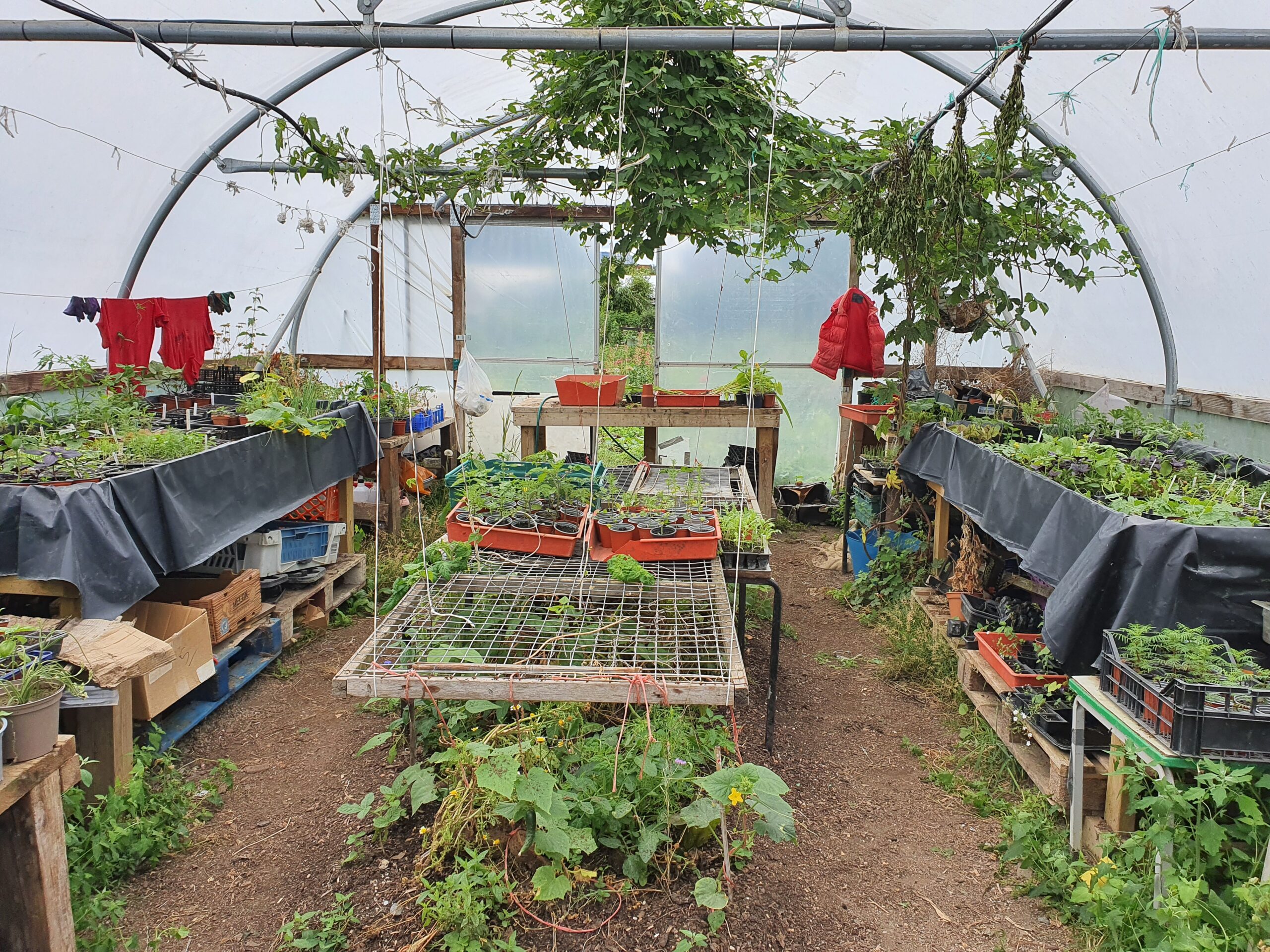
Developing our facilities has allowed us to increase efficiency and upscale our food growing operation. We’ve invested in a brand-new 25m poly tunnel, and converted one of our old poly tunnels into a propagation space with heated beds. A site-wide irrigation system has been installed with Section 106 funding, and we’ve even started to convert an old chicken house into a mushroom growing shed!
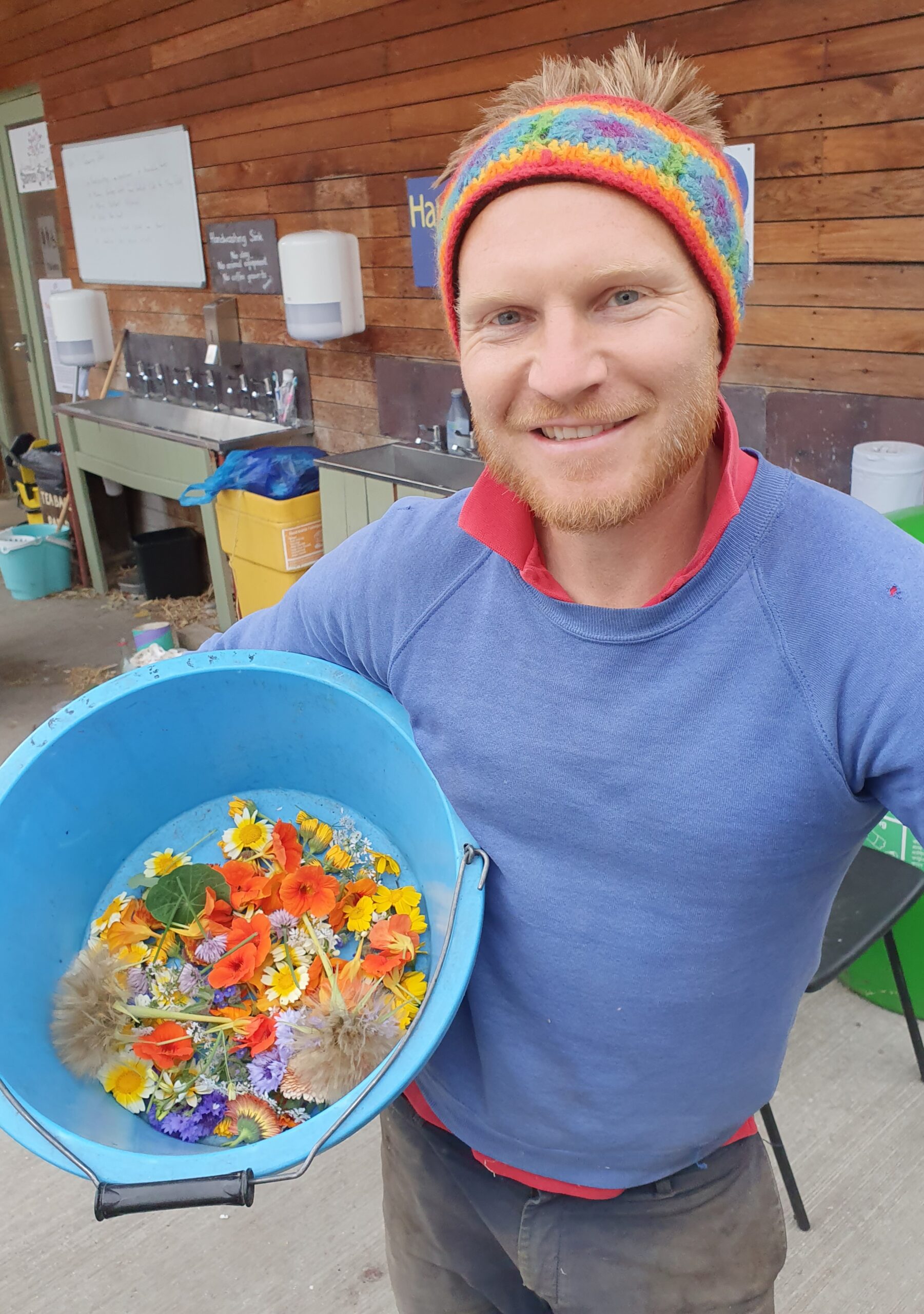
These developments have given us a great foundation to support our educational, community and wellbeing programmes, providing greater opportunities for groups of volunteers, trainees and beneficiaries to experience and learn about food growing on the Farm under the direction of our Head Food Grower, Billy Styles.
Wild areas and a great mix of plants and insects help to create a healthy growing environment, so we’ve also ensured that the Farm’s wildlife and biodiversity have continued to flourish. We only use alternatives to pesticides and artificial fertilisers at the Farm, and have maintained plenty of natural areas around the food growing sites to encourage bees and other insects. Thanks to additional funding from the Tower Hill Trust, we were even able to host a recent series of wildflower workshops. We planted a wildflower meadow on the Farm with the help of participants, and it was a great opportunity to chat with them about the benefits of wildflower spaces for biodiversity.
Education, community and wellbeing
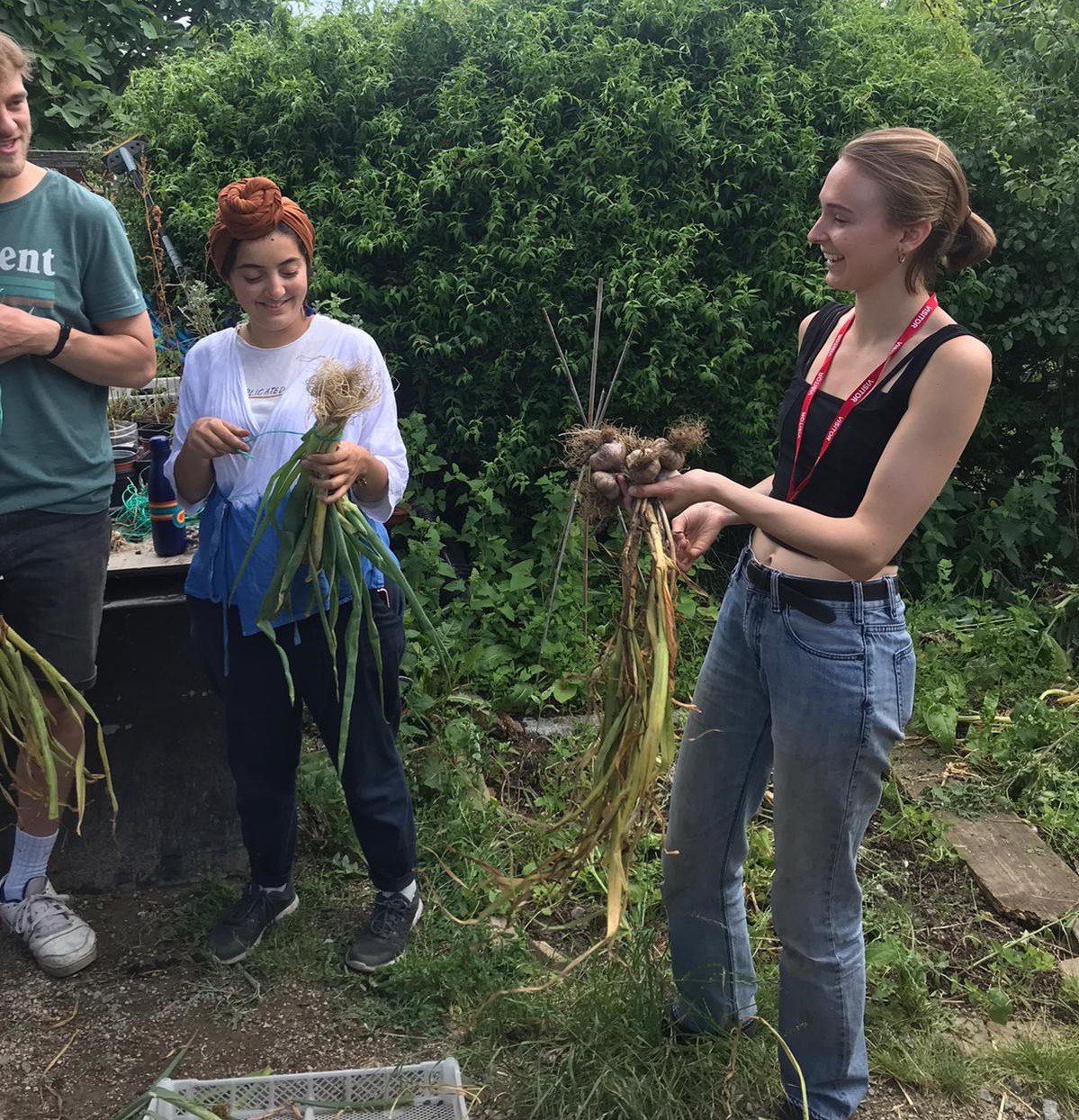
Thanks to Power to Change, we have run six-month food growing traineeships for up to 12 individuals a year since 2017. Trainees learn specialist skills in sustainable farming, food growing, and growing to sell, spending one day a week on site with Billy. Our produce boxes certainly wouldn’t look quite so abundant without them!
Other groups to benefit include our Young Volunteers, up to 130 urban teenagers a year who gain experience in farming with us. Our increase in growing capacity has allowed them to experience a range of seasonal food growing activities, and learn more about where their food comes from. It has been thrilling to see a sense of achievement and confidence develop among young volunteers when they plant a tree, successfully tackle a compost heap, or give a goat kid their dinner!
Our twice-weekly ‘greencare’ sessions for vulnerable adults have also benefitted, supporting positive mental health and wellbeing through a greater variety of gardening activities. Our participants undertake therapeutic activities in the Farm’s peaceful natural environment, from the cycle of composting animal bedding and waste for the gardens, to planting, harvesting, and even learning to make herbal remedies.
In addition to our trainees, young volunteers, and greencare adults, we have been able to welcome many more school children to the Farm for curriculum-based workshops in food growing. An incredible 5000+ school children come through our gate each year to learn about the origins of food, and how to make sustainable, healthy eating choices.
Food growing is also a key way that we engage with and learn from our large local Bengali population here in Tower Hamlets. The Farm features 68 affordable allotment spaces, the majority occupied by Bengali or Sylheti speakers. Food creates a common connection across all people and cultures, and we love finding out what they’re growing, and being inspired by their traditional growing methods.
The social impact of our flourishing food growing program extends beyond the Farm, too. We deliver our healthy and affordable produce to local restaurants by bike courier, sell veg boxes for people to collect on site, and sell seasonal plants and compost for locals to grow their own food at home. During the Covid19 lockdown, we were even able to offer produce box deliveries to vulnerable individuals free of charge, with an additional grant from the Martin Lewis Foundation, secured thanks to the experience that Power to Change had allowed us to develop.
Ongoing impact
The support from Power to Change has allowed us to launch a vibrant, sustainable social enterprise, and food growing can now continue to flourish at the Farm into the future. We have plans to build a glasshouse, creating larger and safer spaces for our volunteers to learn about food growing, and to expand our cold storage so that we can harvest and have more food available. Stay tuned!
After what has been a particularly challenging year, it’s largely thanks to Power to Change that we can look ahead to future educational and sustainable work at Stepney City Farm.
You can hear more about our food growing from Billy and the team here: What’s growing at Stepney City Farm – YouTube